

Therapy Services
-

Approach
Therapy is a supportive space to manage stress, process trauma, and navigate life’s transitions. My approach combines practical tools for immediate relief with deeper exploration that supports lasting growth and self-discovery.
Together, we’ll build self-awareness, strengthen confidence, and create meaningful change—not just short-term fixes. Whether you’re coping with loss, managing anxiety or depression, navigating relationships, or rebuilding after trauma, our work focuses on helping you reconnect with your strengths and sense of purpose.
Therapy isn’t about perfection—it’s about progress, reflection, and finding your way forward. My goal is to help you move toward your most authentic self and a life that feels grounded, fulfilling, and uniquely yours.
-
Areas of Focus
Everyone’s story is different—and therapy looks a little different for everyone too. My goal is to create a space where you can show up as you are, explore what matters most, and begin finding your light again.
Therapy is available for individuals ages 16–60(ish) who are navigating change, growth, or healing, including:
Young adults exploring life direction, identity, and career goals
Students (high school juniors/seniors, college, and graduate) managing academic pressure, transitions, and social stress
Mid-career professionals seeking clarity, confidence, and leadership growth
Individuals rebuilding self-worth and trust after trauma or neglect
Those wanting to create healthier, more connected relationships
Individuals grieving the loss of loved ones, including loss by suicide
Empty nesters writing their next chapter
Law enforcement officers and Veterans managing stress, service-related experiences, and life beyond the uniform
Trans, nonbinary, and genderqueer individuals exploring identity or pursuing gender-affirming care (evaluations, letters, and ongoing therapy)
Family and friends of Trans/NB individuals learning how to support their loved one with understanding and care
Specialty Areas
-
Therapy for life transitions is like having a trusted navigator in your corner as you navigate the twists and turns of change. It’s a space where you can unpack those tough emotions, sort through tricky decisions, and untangle the knots in your relationships. Picture it as a conversation that’s all about finding ways to manage those overwhelming feelings, understand how changes affect you, and figure out how to make choices that align with who you are. It’s like having a seasoned guide who helps you steer through the stormy seas of life transitions, offering tools and insights to help you emerge more resilient and sure-footed on your path forward.
-
When we talk about self-esteem, we're really discussing how you feel about yourself - your worth, your abilities, and how you see yourself overall.
We'll explore the thoughts and beliefs you have about yourself, especially the ones that might be holding you back or making you feel down. I'll help you challenge those negative thoughts and replace them with more positive, realistic ones.
We'll also work on building your confidence and self-belief. It's like giving you tools and strategies to see yourself in a kinder, more positive light. Together, we'll help you feel more confident and comfortable, so you can tackle life's challenges with a stronger sense of self-worth. It's about recognizing your own value and learning to appreciate yourself for who you are.
-
Our sessions are a relaxed, judgment-free zone where we can chat about anything that's weighing on your mind— academic stress, social pressures, self esteem, identity, past trauma, relationship and family issues, and more. Using techniques like mindfulness and practical strategies, we'll navigate these challenges together.
I'll be there to really listen, understand what you're going through, and then we'll work together to build strategies that suit your life—whether it's managing time better or finding ways to flip those negative thoughts. My main goal is to empower you, giving you the tools to handle life with confidence. We’ll make sure you're equipped to tackle whatever comes your way!
-
Grief work requires a caring and understanding space where we talk about the pain and emotions that come with losing someone or something important to you. I'm here to help you navigate through these feelings and find ways to heal. We'll talk openly about your memories, thoughts, and any struggles you're facing. I'll offer practical advice and support to help you cope with the grief. It's like having a trusted companion on this journey, someone who can help you process your emotions and find a path forward, even when it feels really hard. Additionally, I have experience supporting individuals who have lost loved ones to suicide, understanding the complex layers of this experience and offering specific guidance and compassion tailored to this unique grief. Together, we'll work towards finding a sense of peace and acceptance.
-
Trauma work is looking at distressing experiences that can have a lasting impact on your feelings and behaviors. Holding onto trauma is like carrying a heavy backpack of memories that weigh you down.
First, we'll work on finding ways to cope with uncomfortable feelings related to your experiences, learning techniques to manage overwhelming emotions. When you are ready, we will gradually process the memories in a way that feels comfortable for you.
Think of it as slowly unpacking that heavy backpack, one piece at a time, until it feels more manageable. Together, we'll work towards helping you find a sense of peace and relief from the weight of the past. It's about giving you the tools and support you need to move forward in a healthier, happier way.
-
I am certified in Affirmative Therapy for Transgender Populations and able to provide letters in support of gender-affirming surgery for my active clients.
Gender Affirming Therapy is a supportive, affirming approach designed to help you explore and affirm your gender identity. Tailored to the unique needs of transgender, non-binary, and gender-diverse individuals, our work fosters self-acceptance with support in navigating gender-related challenges. Sessions often involve discussions about gender dysphoria, social transitioning, hormone therapy, and surgical options. Additionally, our shared work offers a safe space to address communication strategies with family and significant others regarding identity, pronouns, and other important experiences, assisting individuals in navigating these conversations and fostering understanding and support from your loved ones.
-
Therapy offers a vital lifeline to veterans and law enforcement officers (LEOs), providing a safe space to navigate the unique challenges you face.
For veterans, therapy can help process traumatic experiences, manage PTSD, and re-establish a sense of normalcy post-service.
Similarly, LEOs often encounter high-stress situations, and therapy assists in coping with the emotional toll, preventing burnout, and enhancing overall mental well-being.
Through tailored approaches like cognitive-behavioral therapy, you will gain valuable tools to tackle triggers, anxiety, and depression, fostering resilience and promoting healthier lifestyles. Ultimately, therapy isn't just about addressing issues—it's a powerful tool that empowers veterans and LEOs to reclaim control over your lives and find renewed strength in your roles.
FAQs
-
Virtual psychotherapy, or telehealth, is an increasingly popular form of mental health support. Online therapy functions similarly to in-person therapy but harnesses the convenience of digital platforms. Clients access sessions via secure video calls interacting with licensed therapists in a confidential online setting. This approach offers flexibility, allowing individuals to engage in therapy from their chosen environment—be it their home, office, or while traveling—provided they have a stable internet connection. The accessibility of online therapy breaks down geographical barriers, offering support to those with hectic schedules or limited access to traditional therapy settings. It ensures a professional therapeutic experience while accommodating diverse lifestyles and preferences.
-
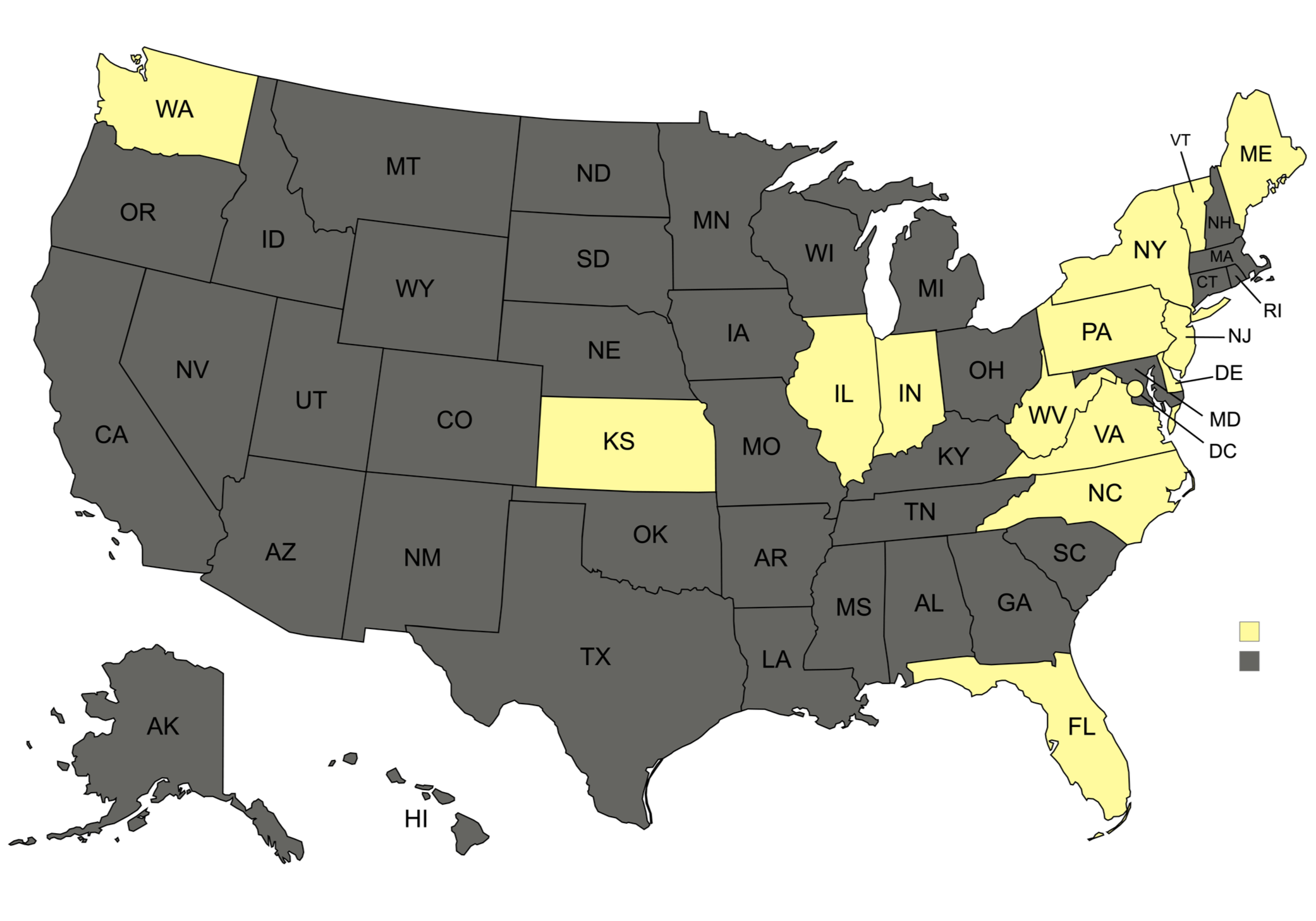
I am able to provide psychotherapy in the following states: Delaware, Florida, Illinois, Indiana, Kansas, Maine, New Jersey, New York, North Carolina, Pennsylvania, Vermont, Virginia, Washington, Washington, DC, and West Virginia. Please share in advance if you are planning to travel outside of these states. Laws about telehealth vary, and may require obtaining consent to provide services legally and ethically while you are traveling.
-
We'll have a quick consult call to make sure we're a good fit before scheduling our first session.
During our initial session, we'll focus on creating a relaxed atmosphere while we get to know each other. I'll invite you to share your story, goals, and any challenges you're facing. Together, we'll outline a plan and discuss how we'll work through these challenges in our future sessions. By the session's end, I aim for you to feel understood, with a clear sense of our collaborative approach moving forward.
-
Embarking on therapy involves setting achievable goals—no need for extreme specifics, but having direction helps steer progress. Remember, the effort you invest tends to mirror the outcomes you'll see.
It's crucial to maintain realistic expectations; therapy isn't a quick fix or a cure-all—it's a gradual journey toward growth and healing.
Effective communication with your therapist is key. Be clear about your needs, whether you're seeking short-term solutions, ongoing support, or diving into deeper-rooted issues. Also, discuss the frequency of sessions that suits your pace—weekly, bi-weekly, or as needed.
View therapy as a relationship where growth often means stepping out of your comfort zone. Embracing discomfort can lead to significant breakthroughs and personal development.
When it comes to concluding therapy or taking a break, open dialogue with your therapist is essential to navigate these transitions smoothly.
For teletherapy sessions, ensure your space is conducive to privacy and comfort, minimizing distractions for a focused session.
-
I am credentialed with several insurance companies and I accept self pay clients.
See Fee Schedule for additional details.